 Português
 English
 Español
 Français
 Deutsch
 Italiano
 日本語
日本語
 العربية
 中文
中文
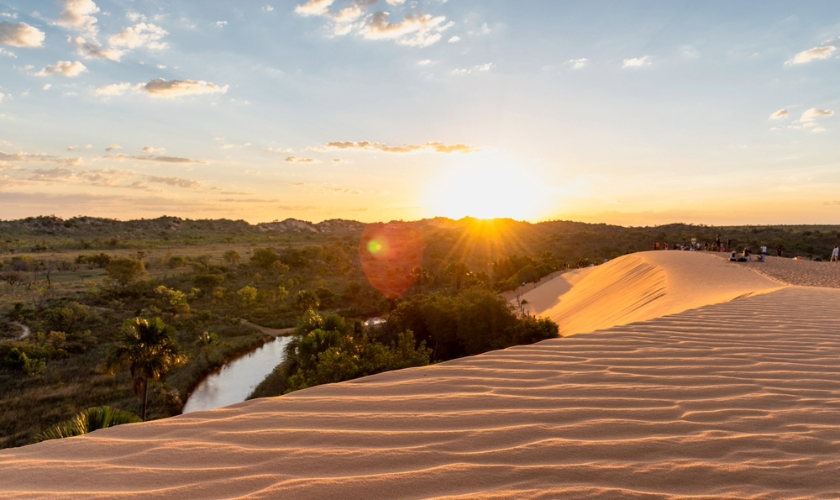
The Jalapão Dunes are one of Brazil's most spectacular and unique destinations, offering visitors a surreal experience of a golden desert amidst the Brazilian cerrado. Located in Jalapão State Park, in the state of Tocantins, these dunes are a true oasis of natural beauty.
Where are the Jalapão Dunes located
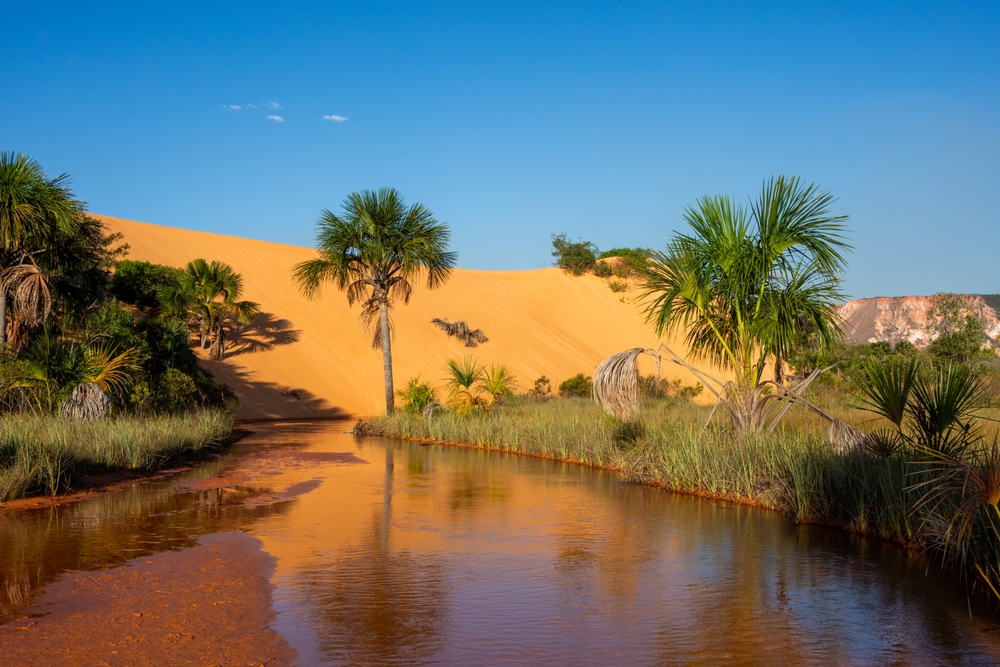
Photo: Bernard Barroso / Shutterstock.com
- State: Tocantins
- Municipality: Mateiros
- Park: Jalapão State Park
- Distance from Palmas: Approximately 300 km
Main Characteristics:
- Area: About 5 km² (1.93 square miles)
- Maximum height: Approximately 40 meters (131 feet)
- Composition: Fine, golden sand
- Surrounding vegetation: Cerrado (Brazilian savanna)
How to Get to the Jalapão Dunes
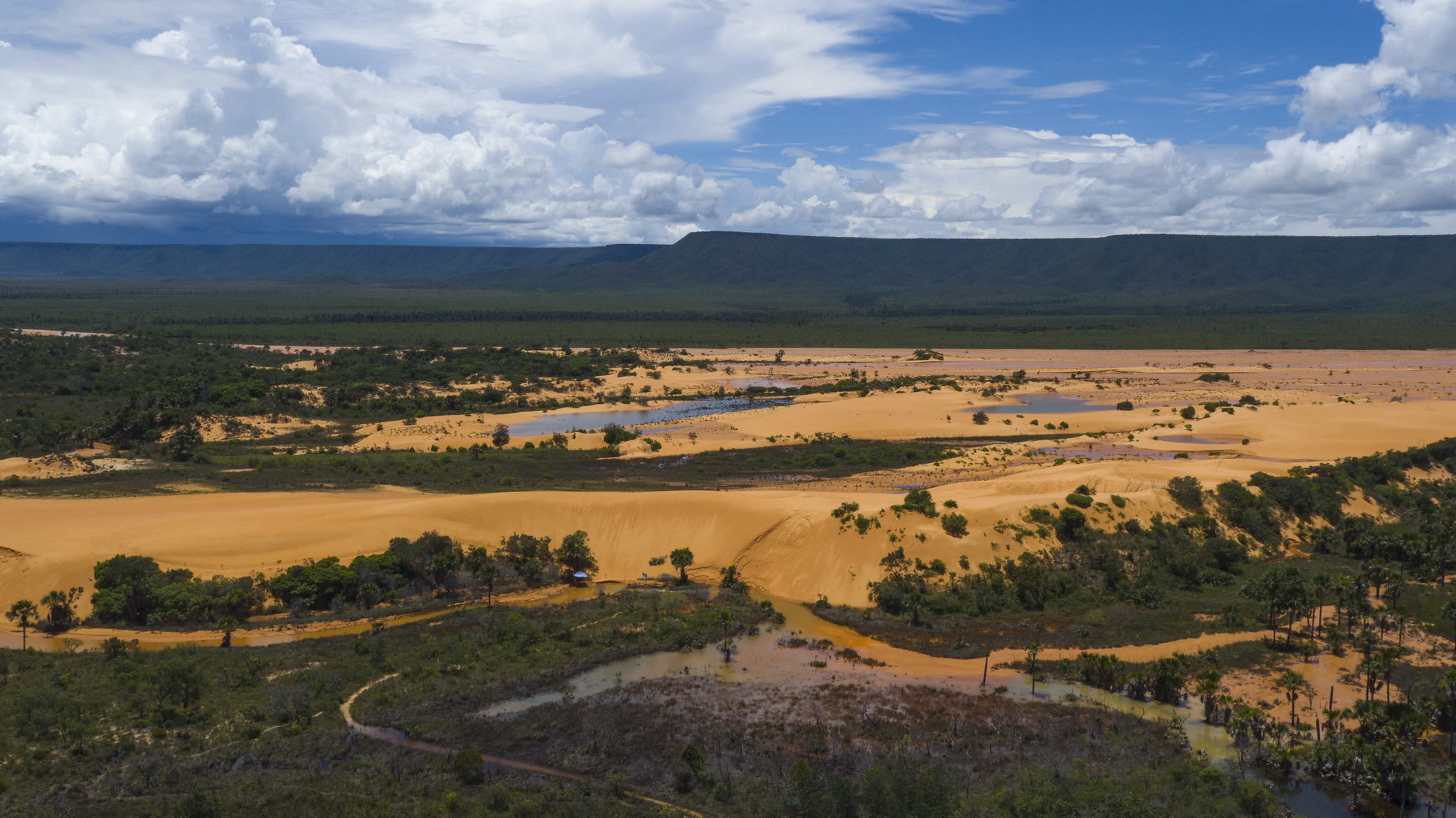
Photo: Flavio Andre / MTur
From Palmas:
- Route via TO-050 and TO-255 highways
- Average travel time: 5-6 hours
- 4×4 vehicle required
Transportation Options:
- Personal vehicle (4×4 mandatory)
- Organized tours
- Private transfer
Best Time to Visit
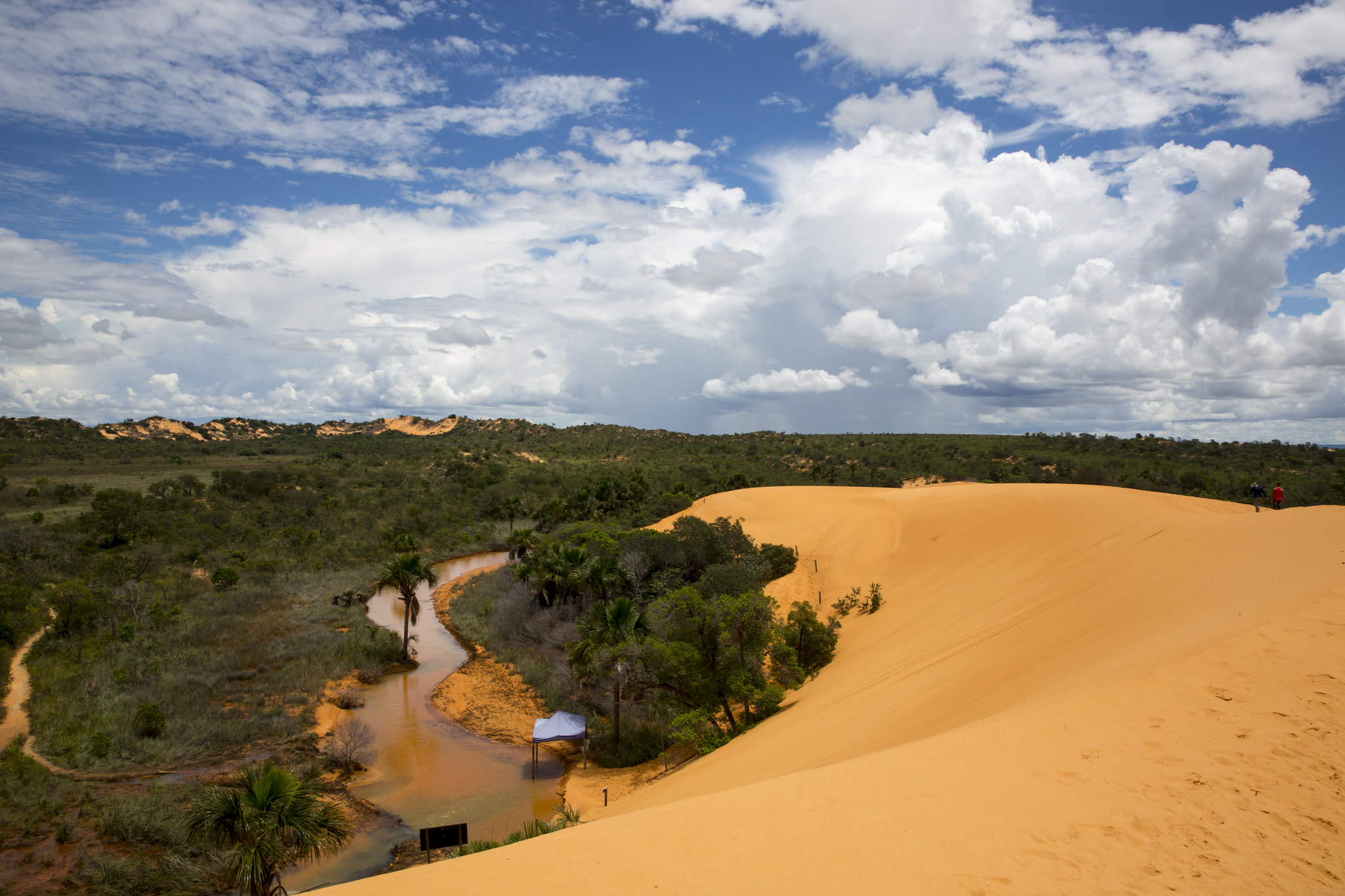
Photo: Flavio Andre / MTur
High Season (June to September):
- Drier climate
- Mild temperatures
- Clearer skies for sunset viewing
Low Season (October to May):
- Possibility of rain
- Greener landscape
- Fewer tourists
Activities at the Jalapão Dunes
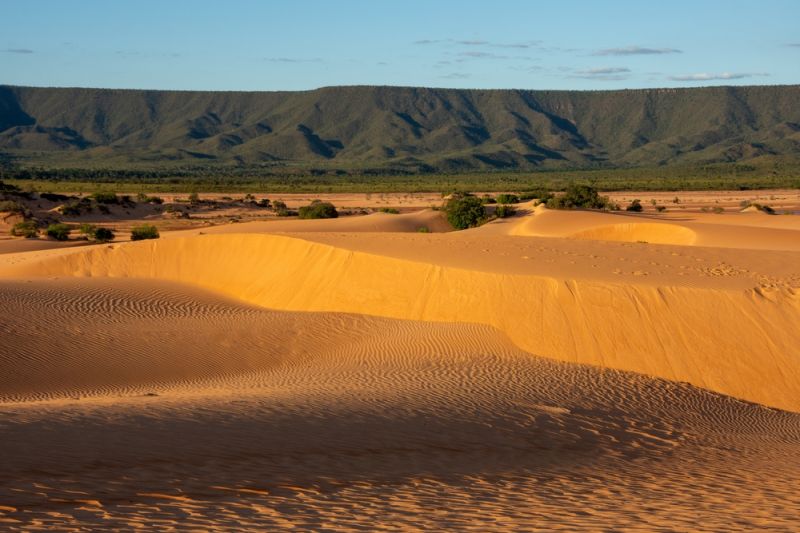
Photo: Bernard Barroso / Shutterstock.com
Sandboarding:
- Sport practiced on the dunes
- Equipment available for rent
Photography:
- Spectacular sunset
- Unique landscapes
Hiking:
- Trails through the dunes
- Observation of local flora and fauna
Contemplation:
- Natural viewpoints
- Desert silence experience
What to Bring to the Jalapão Dunes - Essential Items
- High SPF sunscreen
- Wide-brimmed hat or cap
- Sunglasses
- Plenty of water
- Light snacks
- Camera
- Light and comfortable clothing
- Suitable footwear for sand
Important Tips for Your Visit
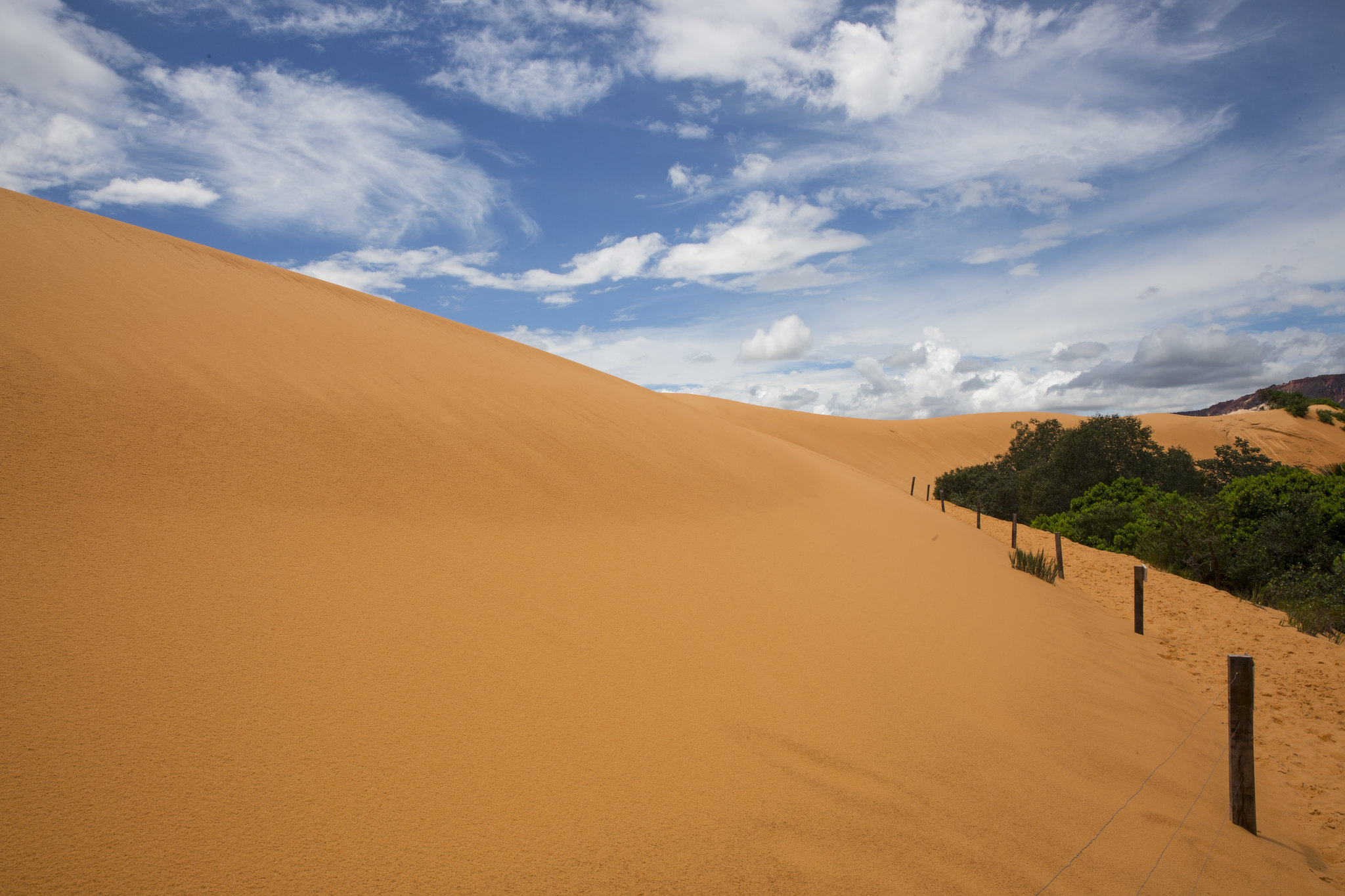
Photo: Flavio Andre / MTur
Environmental Preservation:
- Do not litter
- Avoid straying from marked trails
- Respect local fauna and flora
Safety:
- Use sunscreen even on cloudy days
- Stay hydrated
- Avoid prolonged sun exposure
Best times to visit:
- Late afternoon for sunset
- Early morning for milder temperatures
Interesting Facts about the Jalapão Dunes
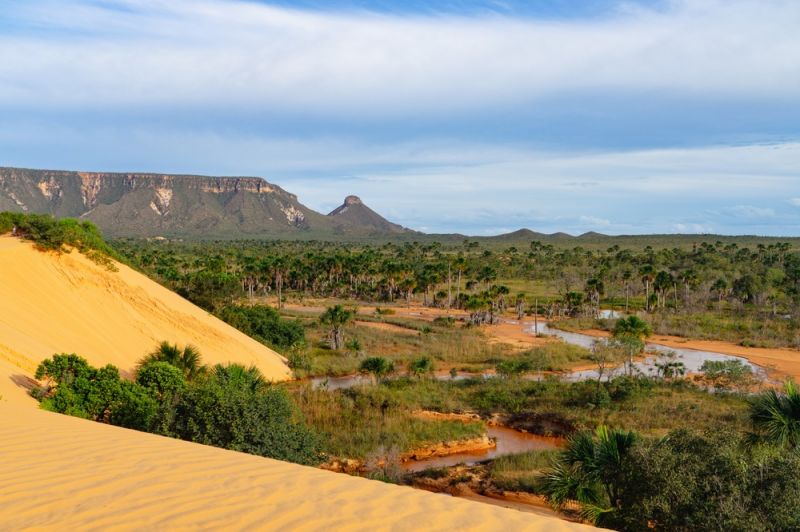
Photo: willianvilla / Shutterstock.com
Formation:
- Aeolian origin (wind action)
- Continuous formation process
Ecosystem:
- Transition between Cerrado and Caatinga
- Presence of endemic species
Local Culture:
- Quilombola communities nearby
- Golden grass handicrafts
Accommodation and Dining
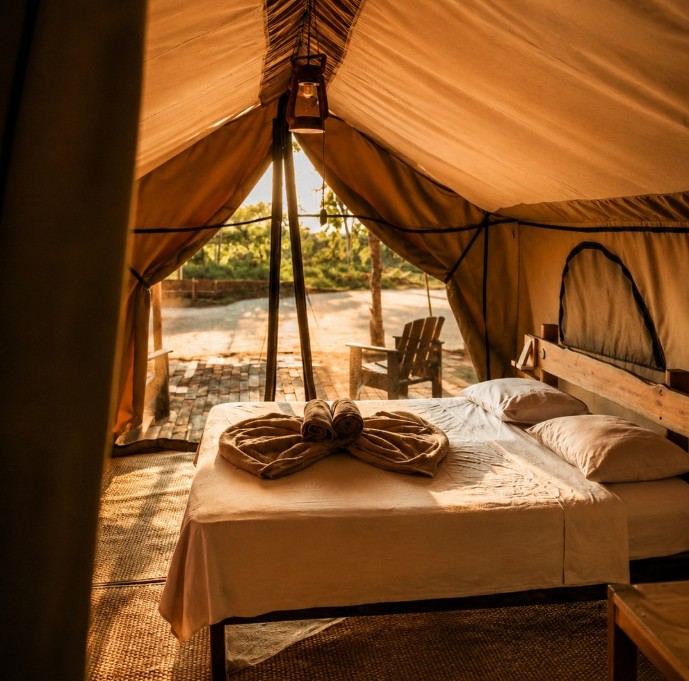
Photo: Disclousure / @korubosafari
Accomodation Options:
- Guesthouses in Mateiros
- Campsites in the Jalapão region
- Ecolodges near the park
Regional Cuisine:
- Traditional dishes from Tocantins
- Cerrado fruits
- Freshwater fish
Other Attractions Near the Jalapão Dunes
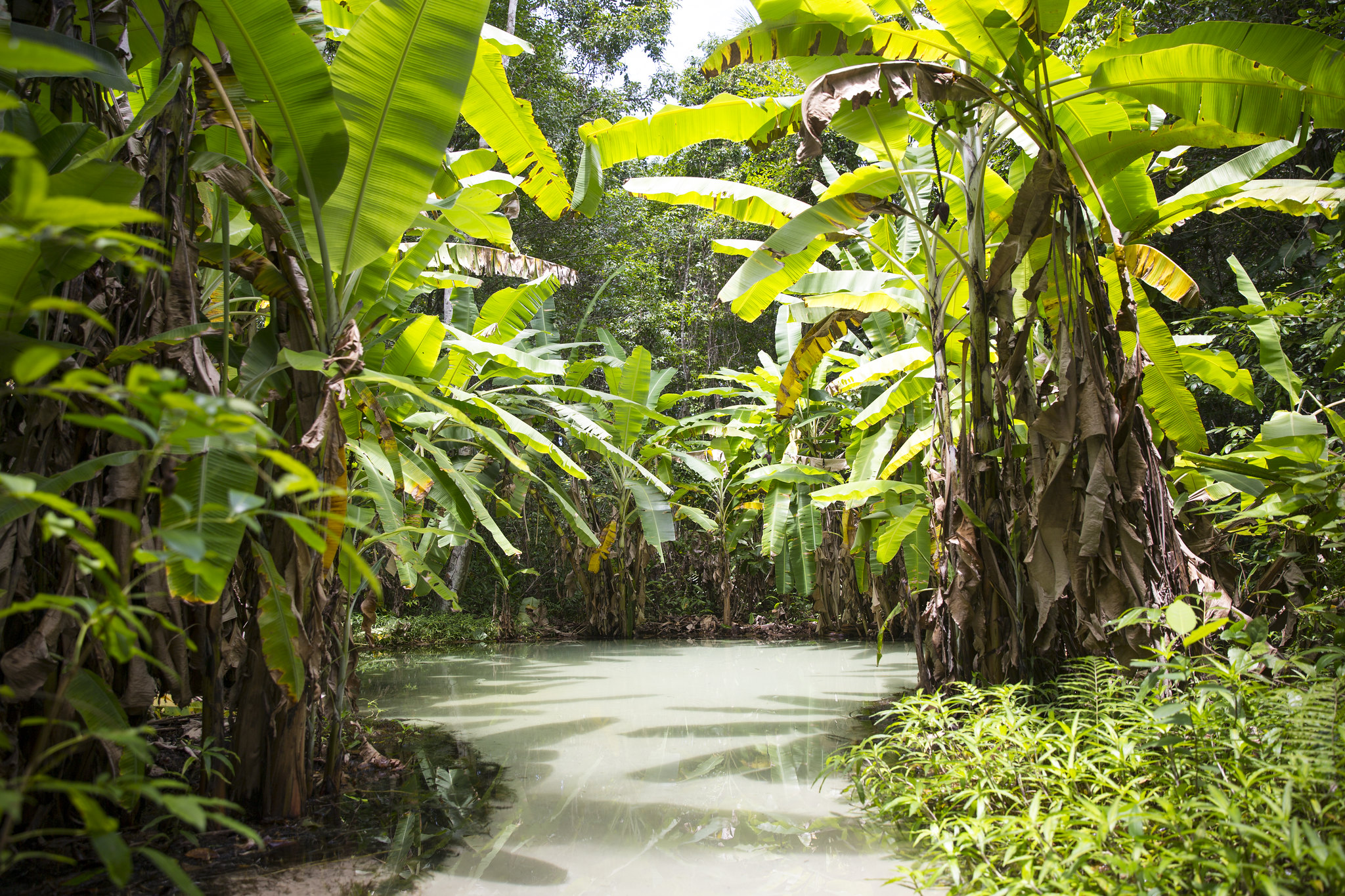
Photo: Flavio Andre / MTur
"Fervedouros" (Bubbling Springs)
- Crystal clear water springs
- Natural buoyancy experience
Cachoeira da Velha (Old Woman's Waterfall):
- One of the largest waterfalls in the region
- Ideal for rafting
Serra do Espírito Santo (Holy Spirit Mountain Range)
- Impressive rock formations
- Trails with panoramic views
Environmental Impact and Conservation
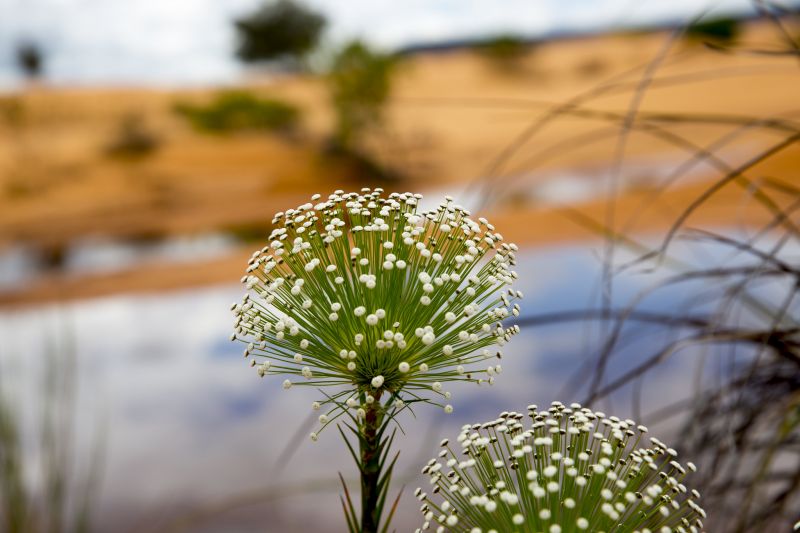
Photo: Flavio Andre / MTur
Conservation Initiatives:
- Visitor management
- Environmental education projects
- Monitoring of fauna and flora
How visitors can contribute:
- Follow local guide instructions
- Practice sustainable tourism
- Support the local economy
Planning Your Visit to the Jalapão Dunes
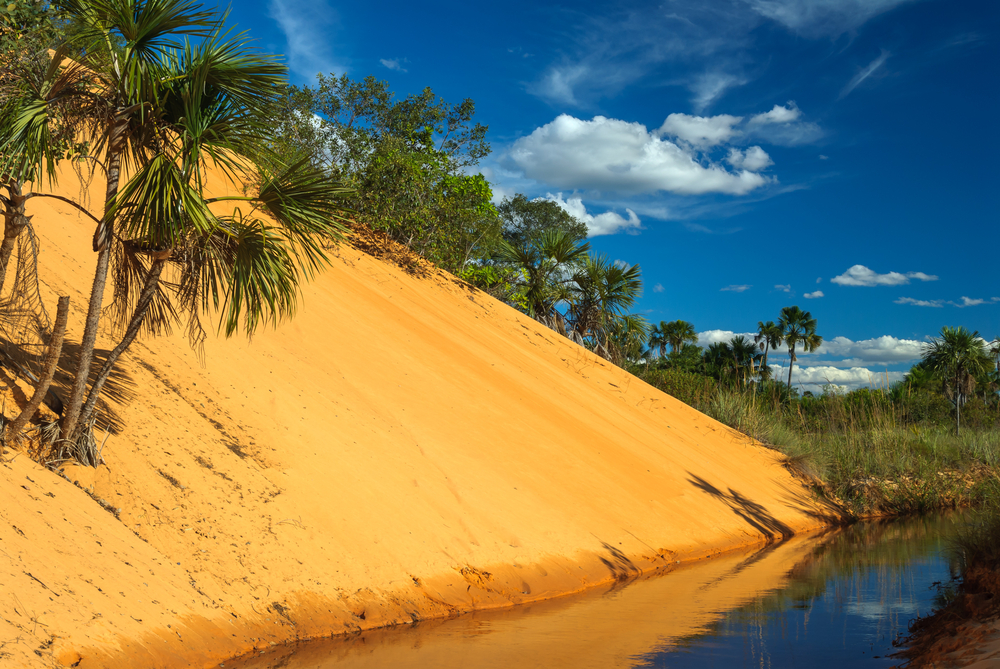
Photo: Marcos Amend / Shutterstock.com
Recommended Duration:
- Minimum of 3 days to explore the region
- Ideal: 5 to 7 days for a complete experience
Suggested Itinerary:
- Day 1: Arrival and visit to the dunes
- Day 2: "Fervedouros" (bubbling springs) and waterfalls
- Day 3: Hiking trails and local communities
Reservations:
- Book accommodation in advance
- Hire certified local guides
Conclusion
The Jalapão Dunes are far more than a mere tourist attraction; they are a testament to Brazil's natural diversity and beauty. This unique landscape, where golden sand contrasts with the blue sky and the green of the cerrado (Brazilian savanna), offers visitors an almost mystical experience.
The journey to the Jalapão Dunes can be challenging, but every moment of the trip is rewarded by the stunning beauty and unique experiences that the place offers. Whether watching an unforgettable sunset from the top of a dune, practicing sandboarding, or simply contemplating the vastness of the landscape, you will be experiencing something truly special.
It's crucial to remember that when visiting the Jalapão Dunes, you are entering a delicate and unique ecosystem. The responsibility to preserve this natural wonder falls on each visitor. Practice sustainable tourism, respect local rules, and leave only footprints in the sand.
The Jalapão Dunes are an invitation to contemplation, adventure, and connection with nature in its purest form. Prepare yourself for a journey that will not only fill your eyes with beauty but also touch your soul with the grandeur and serenity of this oasis in the heart of Brazil.
Come discover why the Jalapão Dunes are considered one of Brazil's natural wonders and take with you golden memories of a truly unique experience!
FAQ: Jalapão Dunes – Complete Travel Guide
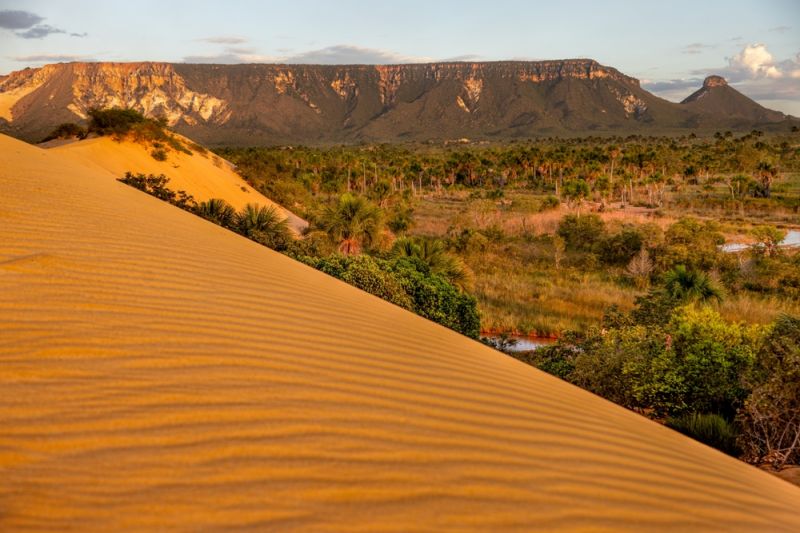
Photo: 3535Matos / Shutterstock.com
1. Where are the Jalapão Dunes located?
The Jalapão Dunes are located in Jalapão State Park, near the municipality of Mateiros, Tocantins, in northern Brazil. They are approximately 300 km from Palmas, the capital of Tocantins, and are surrounded by the distinctive landscapes of the Brazilian Cerrado.
2. What makes the Jalapão Dunes special?
The dunes are famous for their fine golden sand, dramatic landscapes, and spectacular sunsets. Rising to approximately 40 meters, they create an unusual desert-like scenery surrounded by Cerrado vegetation, making them one of the most iconic natural attractions in Jalapão.
3. How do you get to the Jalapão Dunes from Palmas?
Travelers generally reach the Jalapão region from Palmas via the TO-050 and TO-255 highways before continuing along unpaved roads. The journey can take around five to six hours depending on road and weather conditions. Because access involves challenging dirt and sandy roads, traveling with an experienced local operator or appropriate 4×4 vehicle is strongly recommended.
4. Do you need a 4×4 vehicle to visit the Jalapão Dunes?
A 4×4 vehicle is highly recommended for exploring Jalapão because many roads in the region are unpaved, sandy, and difficult to navigate, particularly after heavy rain. Visitors unfamiliar with the region may find an organized tour or private transfer with an experienced driver more convenient.
5. What is the best time to visit the Jalapão Dunes?
The dry season, generally from May or June through September, is one of the most popular periods to visit Jalapão. Conditions tend to be drier, and clear skies can create excellent opportunities for sightseeing and sunset photography. The wetter months bring greener landscapes but can also make some roads more challenging.
6. What is the best time of day to visit the dunes?
Late afternoon is especially popular because visitors can watch the golden dunes change color as the sun sets. Early morning can also offer milder temperatures and pleasant conditions for enjoying the landscape.
7. Can you watch the sunset at the Jalapão Dunes?
Yes. Sunset at the Jalapão Dunes is one of the highlights of a trip to Jalapão. The combination of golden sand, Cerrado vegetation, distant mountains, and changing light creates exceptional scenery for both photography and contemplation.
8. What should I bring when visiting the Jalapão Dunes?
Bring high-SPF sunscreen, sunglasses, a hat or cap, drinking water, lightweight clothing, and comfortable footwear suitable for walking on sand. A camera or smartphone is also highly recommended for capturing the landscape and sunset.
9. What can you do at the Jalapão Dunes?
The main experience is exploring and appreciating the landscape. Depending on current park regulations and authorized activities, visitors can enjoy walking, nature observation, photography, viewpoints, and sunset watching. Always follow the instructions of local guides and park authorities regarding permitted activities.
10. Are the Jalapão Dunes suitable for photography?
Absolutely. The Jalapão Dunes are one of Tocantins' most photogenic landscapes, particularly around sunset. The contrast between golden sand, blue skies, Cerrado vegetation, and the surrounding mountains provides excellent opportunities for landscape and travel photography.
11. Where should I stay when visiting the Jalapão Dunes?
Mateiros is one of the main bases for exploring attractions in this part of Jalapão. Accommodation in the wider region ranges from simple guesthouses and pousadas to camps and nature-focused lodging. Booking ahead is advisable during popular travel periods.
12. What other attractions can I visit near the Jalapão Dunes?
A longer Jalapão itinerary can combine the dunes with famous attractions such as the region's fervedouros (natural bubbling springs), Cachoeira da Velha, Serra do Espírito Santo, waterfalls, trails, and communities known for traditional capim-dourado (golden grass) handicrafts.
13. What are the fervedouros of Jalapão?
Fervedouros are natural springs famous for their exceptionally clear water and the upward pressure generated by groundwater. This creates a distinctive sensation of buoyancy and makes them one of the signature experiences of a trip through Jalapão.
14. How many days should I spend in Jalapão?
While a shorter trip is possible, five to seven days is generally more comfortable for a complete Jalapão experience. The attractions are spread across a large region, and road journeys can take considerable time. A longer itinerary allows travelers to combine the dunes with fervedouros, waterfalls, hiking, and cultural experiences without rushing.
15. Is Jalapão suitable for adventure travelers?
Yes. Jalapão is particularly attractive to travelers interested in ecotourism, nature, off-road journeys, hiking, waterfalls, photography, and remote landscapes. The destination's relatively isolated location is an important part of its adventurous appeal.
16. How can visitors help protect the Jalapão Dunes?
Visitors should stay on authorized routes, avoid leaving trash, respect wildlife and vegetation, follow park and guide instructions, and avoid removing sand, plants, rocks, or other natural materials. Choosing responsible local tourism services and purchasing locally made products can also help support conservation and nearby communities.
17. Why should the Jalapão Dunes be included in a Brazil itinerary?
The Jalapão Dunes offer one of Brazil's most distinctive nature experiences, combining golden sand dunes, vast Cerrado landscapes, remote wilderness, spectacular sunsets, waterfalls, natural springs, and local culture. For travelers looking beyond Brazil's famous coastal destinations, Jalapão provides an unforgettable introduction to the country's extraordinary ecological diversity.