 Português
 English
 Español
 Français
 Deutsch
 Italiano
 日本語
日本語
 العربية
 中文
中文
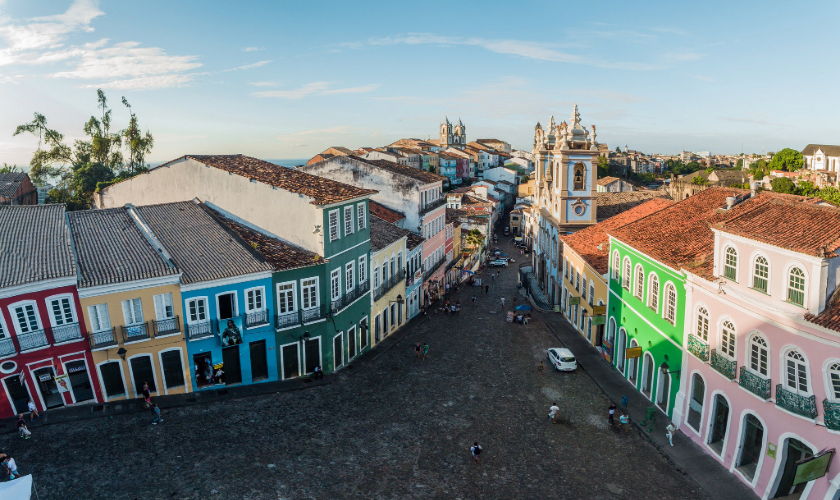
Discover the historical heart of Salvador with this walking tour itinerary through Pelourinho, a neighborhood rich in culture, colonial architecture, and Afro-Brazilian traditions. This walking tour of Pelourinho is the perfect way to immerse yourself in the essence of Brazil's first capital.
Why Explore Pelourinho on Foot?
- Cultural Immersion: Feel the vibe of the historic streets up close
- Flexibility: Explore at your own pace, stopping wherever and whenever you want
- Economy: A free way to see major tourist spots
- Authenticity: Interact with locals and discover places off the tourist circuit
Suggested Itinerary
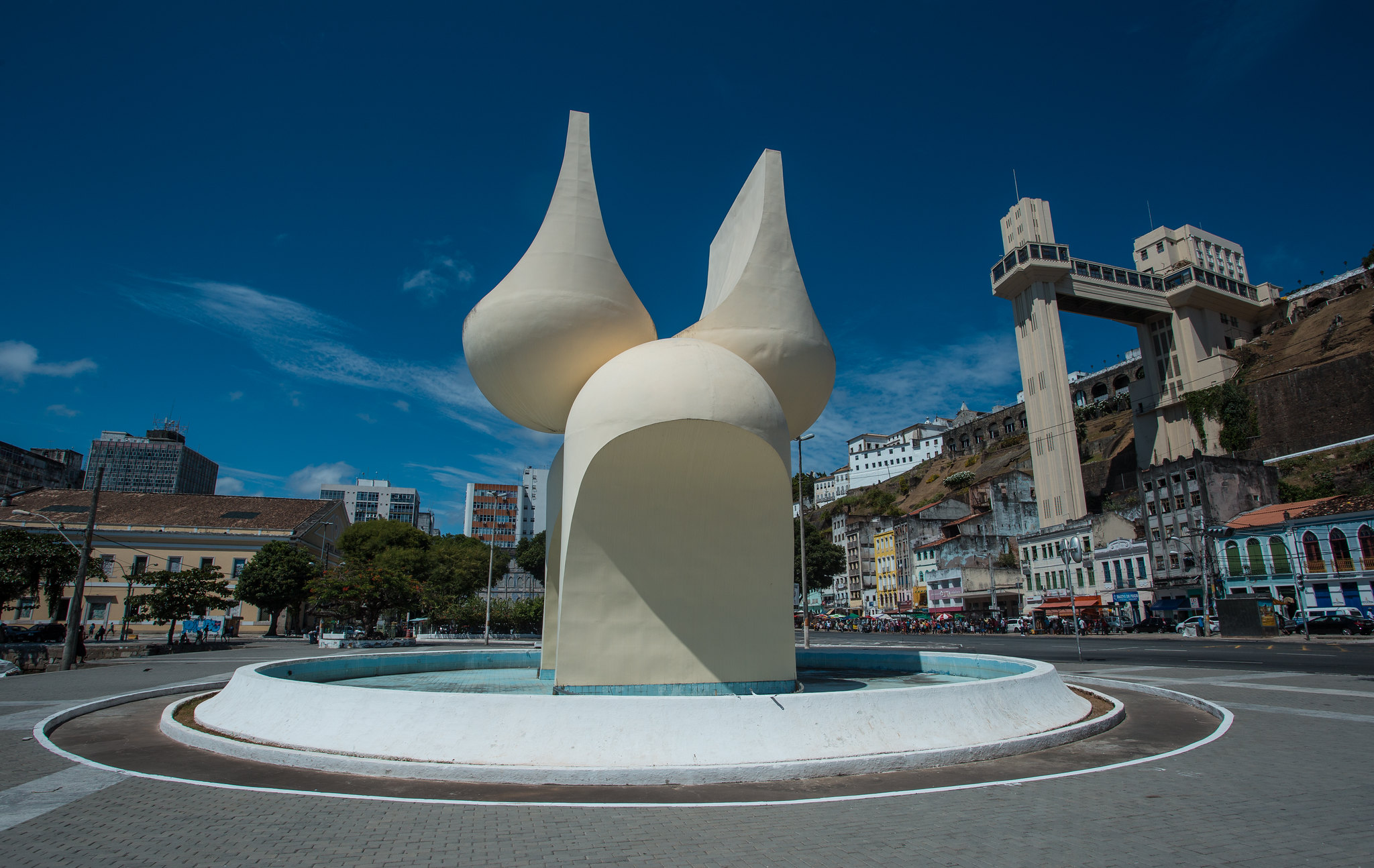
Picture: Marcio Filho / MTur
1- Praça da Sé
- Starting Point: Beginning of the historical center
- Highlight: Statue of Zumbi dos Palmares
2- Catedral Basílica de Salvador
- Style: 17th-century Jesuit architecture
- Tip: Look at the gold details inside
3- Largo do Pelourinho
- Historical Significance: Center of the slave trade in the past
- Today: Stage for cultural performances
4- Igreja de Nossa Senhora do Rosário dos Pretos
- Importance: Built by and for African slaves
- Highlight: Afro Mass on Sundays
5- Fundação Casa de Jorge Amado
- What it is: Museum dedicated to the famous Bahian writer
- Tip: Visit the souvenir shop on the ground floor
6- Largo do Cruzeiro de São Francisco
- Attraction: Church and Convent of São Francisco
- Highlight: Interior richly decorated with gold
7- Museu da Cidade
- Location: Former City Hall
- Exhibitions: History of Salvador and Bahia
8- Praça Terreiro de Jesus
Points of Interest:
- Cathedral of Salvador
- Former Faculty of Medicine
- Tip: Great place to rest and watch the bustle
Tips for the Tour
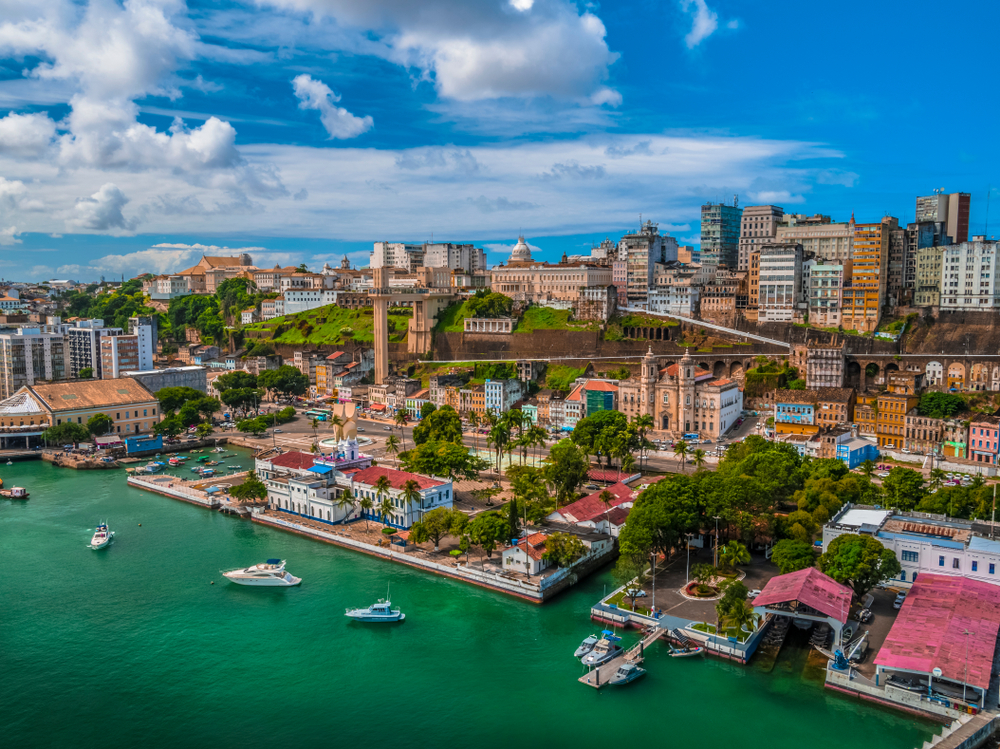
Picture: Peu Ribeiro / Shuttertock.com
- Comfortable Footwear: Pelourinho has many hills and cobblestone streets.
- Sun Protection: Use a hat and sunscreen, even on cloudy days.
- Hydration: Carry water, as the heat can be intense.
- Safety: Keep your belongings secure and stay alert in busier areas.
- Local Guide: Consider hiring a guide for deeper insights into the local history.
Best Time to Visit
- Year-Round Climate: The weather in Salvador is pleasant throughout the year.
- Carnival: A unique experience, but very crowded.
- Tuesday: Traditional day for cultural performances in Pelourinho.
Where to Eat During the Tour
- Restaurante do SENAC: Experience traditional Bahian cuisine with a panoramic view. This restaurant is known for its buffet featuring a wide range of local dishes.
- Cravinho: Famous for its artisanal liqueur, Cravinho is a must-visit for those looking to try unique local beverages in a vibrant setting.
- Sorveteria da Ribeira: Enjoy ice creams with typical Bahian flavors. It's the perfect spot to cool down with a sweet treat while exploring the area.
Cultural Events
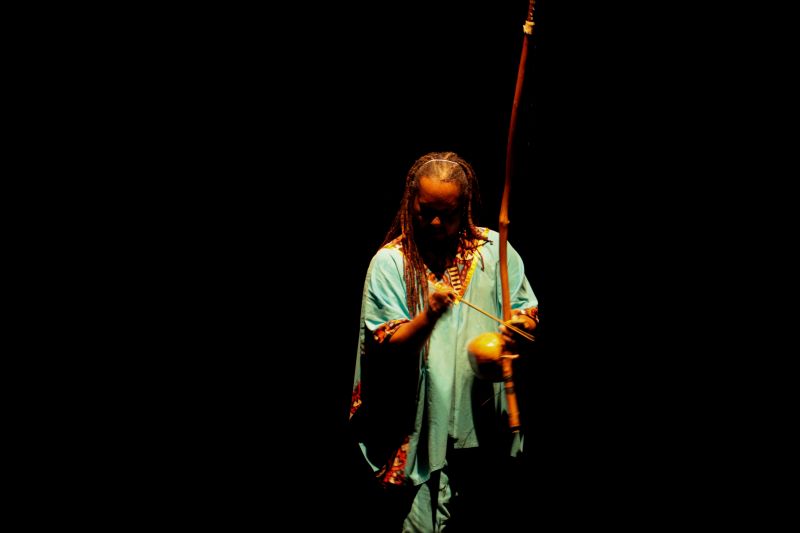
Photo: Guilherme Ferreira / Blumar DMC
- Terça da Bênção: Enjoy free musical performances every Tuesday, adding rhythm and vibrancy to the streets of Pelourinho.
- Balé Folclórico da Bahia: Experience captivating shows featuring Afro-Brazilian dance, showcasing the rich cultural heritage of Bahia.
- Olodum Rehearsals: Witness the rehearsals of the famous percussion group Olodum in the streets of Pelourinho, known for their energetic and powerful performances.
Exploring Pelourinho on foot offers a rich and authentic experience of Bahian culture. Every corner tells a story, and each square is alive with art and music. Prepare for an unforgettable journey through the historic heart of Salvador!
Additional Points of Interest
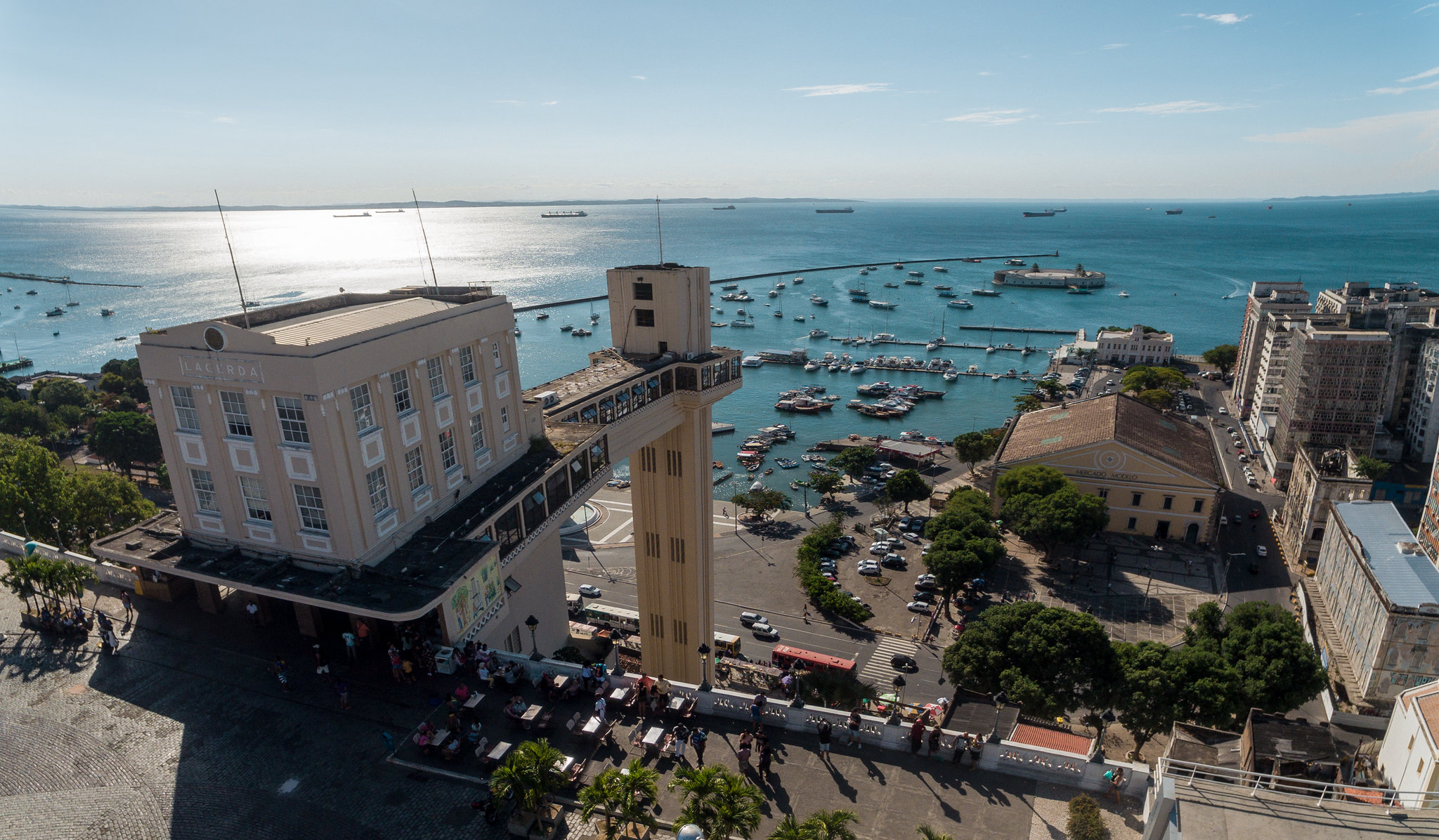
Picture: Marcio Filho / MTur
Casa do Carnaval da Bahia
- What it is: An interactive museum dedicated to the history of the Bahian Carnival. This museum provides an immersive experience into the cultural significance and evolution of one of the most iconic celebrations in Brazil
- Highlights:
- Costume Exhibits: View the vibrant and elaborate costumes that capture the essence and creativity of the Carnival.
- Musical Instruments: Explore a collection of traditional instruments used during the festivities, integral to the rhythmic heartbeat of Carnival music. - Tip: Take the opportunity to play some typical instruments. This interactive experience allows visitors to connect with the music and feel the energy of the Carnival.
Elevador Lacerda
- Importance: Serving as an iconic symbol of Salvador, the Elevador Lacerda connects the Cidade Alta (Upper City) to the Cidade Baixa (Lower City). It is an essential part of the city's daily life and infrastructure.
- View: Offers a breathtaking panoramic view of the Baía de Todos os Santos (All Saints Bay), allowing visitors to appreciate the stunning natural beauty and architectural layout of Salvador.
- Curiosity: Known as the world's first urban elevator, it represents a remarkable feat of engineering from its time, highlighting Salvador's historical commitment to innovation and connectivity.
Mercado Modelo
- Location: Situated near the Elevador Lacerda in the Cidade Baixa (Lower City), making it easily accessible for those exploring Salvador's historical areas.
- What to Find: The market is a treasure trove of local crafts, souvenirs, and spices. It's an excellent place to purchase unique handmade items and experience the vibrant local commerce.
- Gastronomic Tip: Be sure to try acarajé from the food stalls around the market. This traditional Bahian dish is a savory fritter made from black-eyed peas and is iconic in local cuisine.
Cultural Aspects of Pelourinho
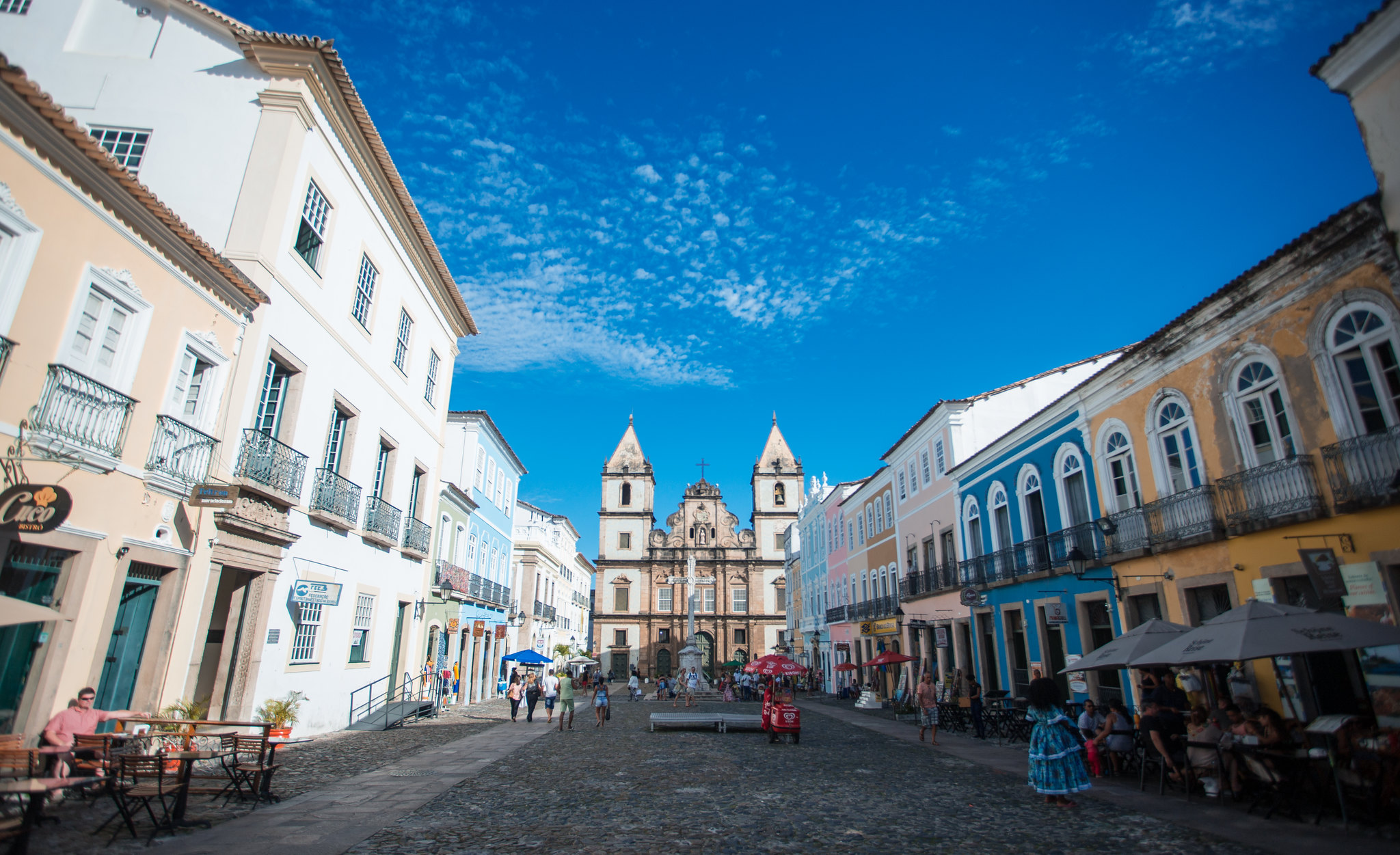
Picture: Marcio Filho / MTur
Colonial Architecture in Pelourinho
- Observing the Colorful Mansions and Wrought Iron Balconies
- Notice the Portuguese Tiles Decorating Many Facades
African Influence
- Notable in Music, Cuisine, and Religious Traditions
- Visit Candomblé Terreiros (With Respect and Permission)
Street Art
- Murals and Graffiti Tell Stories of Local Culture
- Street Performers Frequently Perform in the Squares
Additional Tips for Visiting Pelourinho
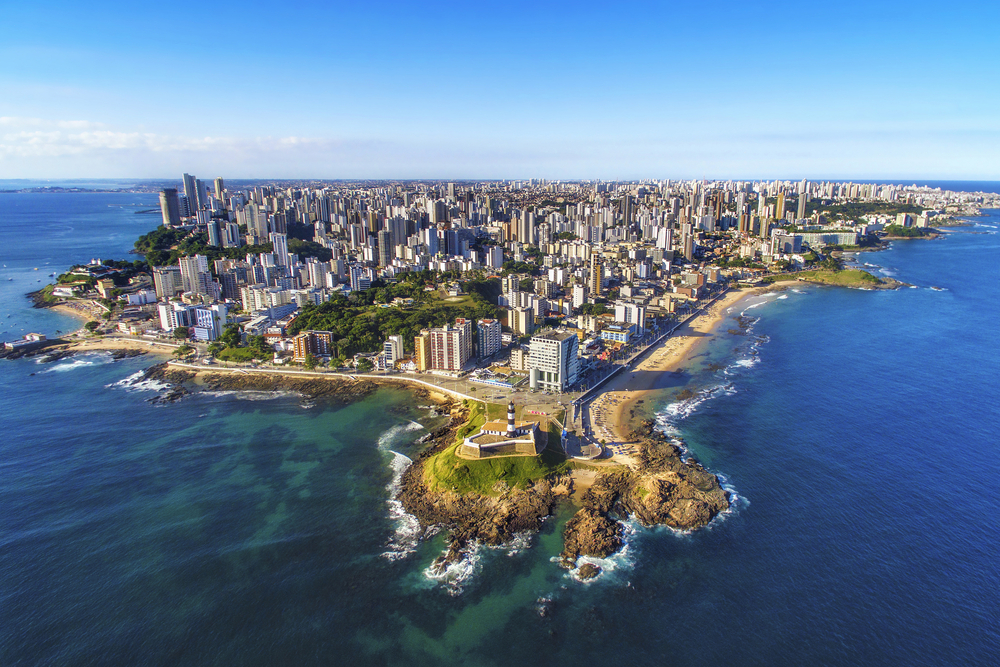
Picture: R.M. Nunes / Shutterstock.com
Photography
- Best Lighting for Photos: Early Morning or Late Afternoon
- Ask for Permission Before Photographing People or Religious Ceremonies
Shopping
- Bargaining is Common, Especially in Craft Markets
- Typical Products: Senhor do Bonfim Ribbons, Berimbaus, and Naïve Art
Local Interaction in Pelourinho
- Learn Some Bahianês Words to Connect with Locals
- Participate in Capoeira Rodas
Historical Curiosities of Pelourinho
- The name "Pelourinho" indeed has a somber historical significance. It comes from the Portuguese word for "pillory," which refers to a stone column used for public punishment during the colonial era.
- Pelourinho, located in the heart of Salvador, Bahia, was declared a UNESCO World Heritage Site in 1985. This designation underscores the historical and cultural significance of the area.
- In the 1990s, Pelourinho underwent a significant revitalization process that transformed the neighborhood from a neglected area into a thriving cultural and tourist destination.
Typical Cuisine to Try in Pelourinho
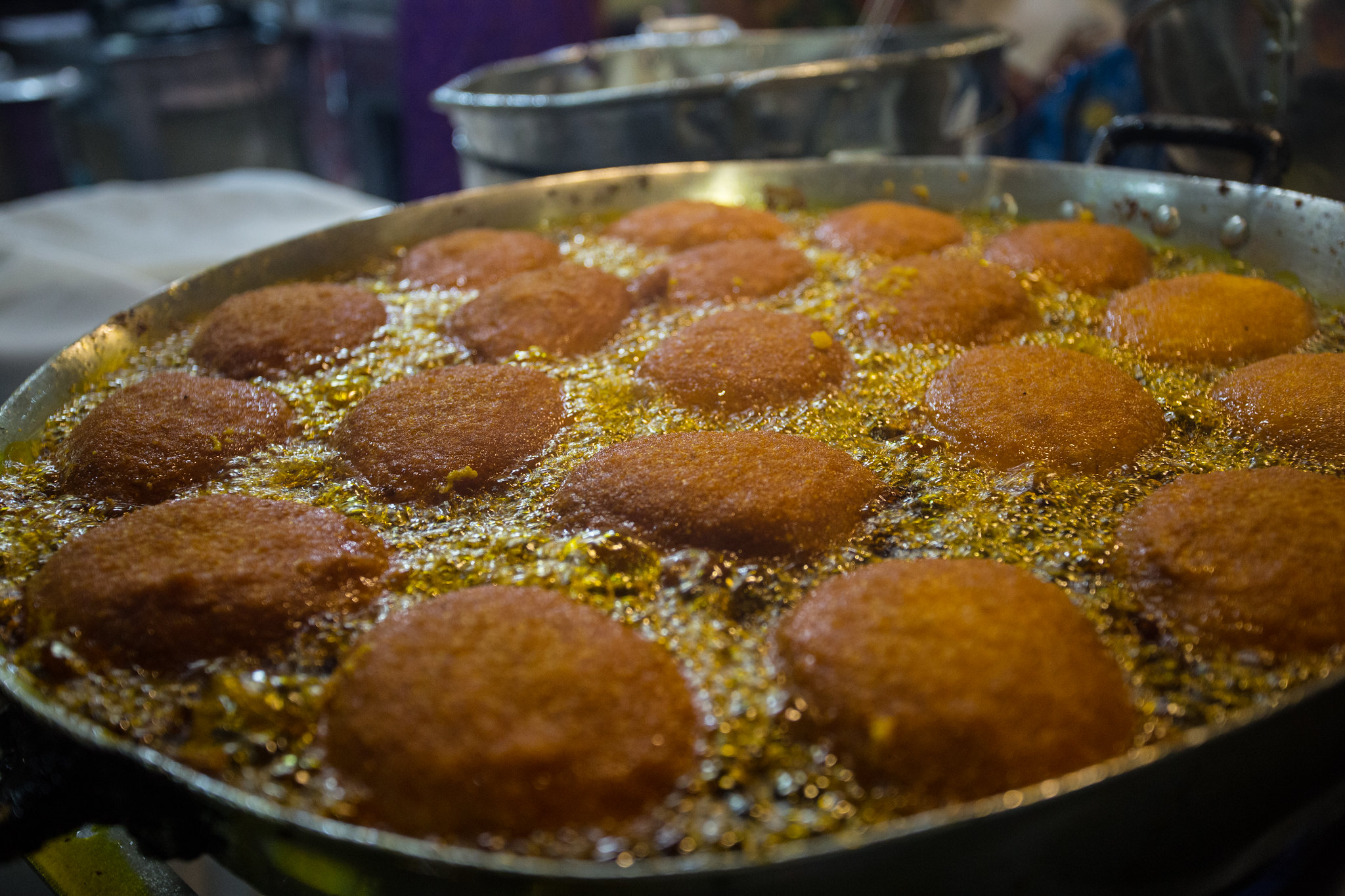
Picture: Marcio Filho / MTur
- Acarajé is a quintessential dish of Bahian cuisine, deeply rooted in the Afro-Brazilian culinary tradition.
- Moqueca is a traditional Brazilian dish that hails from Bahia, known for its rich and aromatic flavors. This seafood stew is a must-try for anyone exploring Bahian cuisine.
- Vatapá is a delicious and creamy dish that's central to Bahian cuisine, known for its rich texture and complex flavors. It is often enjoyed as a standalone dish or as a filling in acarajé.
- Cocada is a traditional Brazilian confection that celebrates the tropical flavors of coconut. It's a beloved sweet across Brazil, particularly in Bahia, where it holds a significant place in local culinary traditions.
Safety Tips for Visiting Pelourinho
- When planning your visit to Pelourinho, it's advisable to explore the area during the daytime, especially if it's your first time.
- When visiting busy tourist destinations like Pelourinho, it's important to keep your belongings secure.
- When traveling, especially in bustling areas like Pelourinho, it's important to handle your money wisely to ensure both convenience and security.
- When exploring Pelourinho, being cautious while crossing streets is essential due to the often unpredictable traffic.
Conclusion
Exploring Pelourinho on foot is more than just a tourist stroll; it's a journey through the history, culture, and soul of Salvador. Each cobblestone street tells a story, every square echoes with the rhythms of Bahia, and every corner offers a new discovery.
As you walk through these historic streets, you will not only see the sights but feel the heartbeat of Brazil's first capital. Pelourinho is a place where past and present converge, where centuries-old traditions coexist with vibrant contemporary culture.
Allow yourself to get lost in the alleys, chat with the locals, taste the unique cuisine, and let yourself be enveloped by the contagious energy of this one-of-a-kind place. Walking through Pelourinho is not just a stroll; it's an experience that will be etched in your memory, filled with colors, flavors, and rhythms that only Bahia can offer.
Remember to respect the local culture, appreciate the diversity, and stay open to the surprises that Pelourinho surely holds. Each visit is unique, and every walk can reveal a new hidden treasure in this fascinating historical labyrinth.
Have a great walk and savor every moment of this incredible journey through the heart of Bahia!
FAQ – Walking Tour of Pelourinho, Salvador
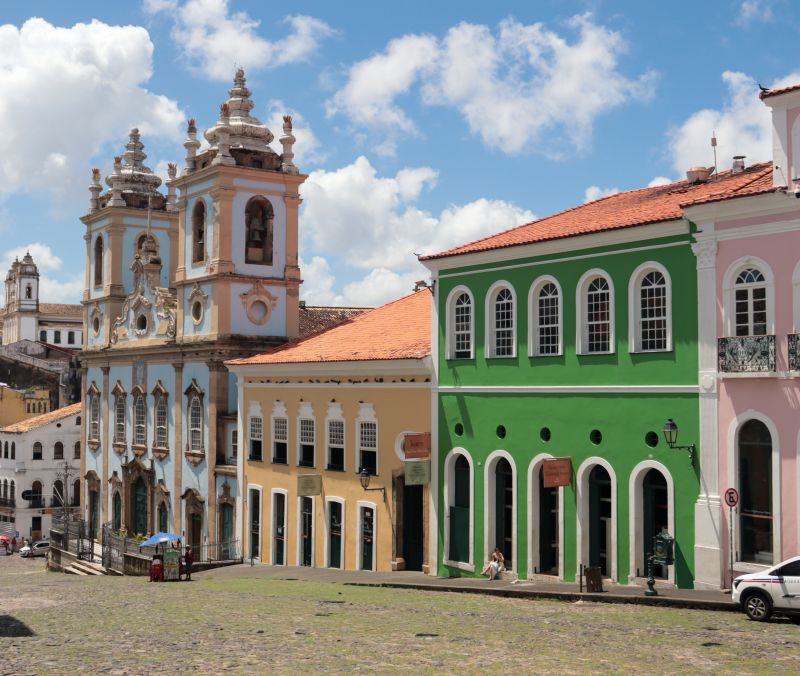
Photo: Guilherme Ferreira / Blumar DMC
1. What is Pelourinho?
Pelourinho is Salvador’s historic center and one of Brazil’s most important cultural landmarks. Recognized as a UNESCO World Heritage Site, it is famous for its colorful colonial architecture, cobblestone streets, Afro-Brazilian heritage, vibrant music, and historic churches.
2. Why should I explore Pelourinho on foot?
Walking allows you to fully experience the neighborhood's atmosphere, admire its architecture, discover hidden streets, interact with locals, and visit historical landmarks at your own pace without transportation costs.
3. How long does a walking tour of Pelourinho take?
A complete self-guided walking tour typically takes 3 to 5 hours, depending on how much time you spend visiting museums, churches, restaurants, and cultural attractions.
4. Where should I start the walking tour?
A great starting point is Praça da Sé, where you'll find the statue of Zumbi dos Palmares and easy access to Salvador's historic center.
5. What are the must-see attractions during the tour?
Some of the highlights include:
- Praça da Sé
- Salvador Cathedral (Catedral Basílica)
- Largo do Pelourinho
- Church of Nossa Senhora do Rosário dos Pretos
- Jorge Amado House Foundation
- São Francisco Church and Convent
- Museu da Cidade
- Terreiro de Jesus Square
- Casa do Carnaval da Bahia
- Elevador Lacerda
- Mercado Modelo
6. Is Pelourinho a UNESCO World Heritage Site?
Yes. Pelourinho was designated a UNESCO World Heritage Site in 1985 due to its exceptional colonial architecture and historical importance.
7. Why is Pelourinho historically significant?
During the colonial period, Pelourinho was an important commercial and administrative center. Its name comes from the Portuguese word for "pillory," a public punishment column used during colonial times, reflecting an important part of Brazil's history.
8. What is the Igreja de Nossa Senhora do Rosário dos Pretos?
It is one of Salvador's most important churches, built by and for enslaved Africans during the colonial era. Today, it remains an important symbol of Afro-Brazilian culture and hosts the famous Afro Mass on Sundays.
9. What makes São Francisco Church special?
The Church and Convent of São Francisco is internationally renowned for its lavish Baroque interior decorated with extensive gold leaf, making it one of Brazil's most impressive religious monuments.
10. What is Casa do Carnaval da Bahia?
Casa do Carnaval is an interactive museum dedicated to the history, music, costumes, and traditions of Bahia's Carnival, offering immersive exhibitions and interactive experiences.
11. Why is the Elevador Lacerda famous?
The Elevador Lacerda connects Salvador's Upper City (Cidade Alta) with the Lower City (Cidade Baixa). It is considered the world's first urban elevator and offers spectacular views over All Saints Bay.
12. What can I buy at Mercado Modelo?
Visitors can shop for:
- Handmade crafts
- Senhor do Bonfim ribbons
- Berimbaus
- Local spices
- Souvenirs
- Bahian artwork
- Regional foods
13. What traditional Bahian foods should I try?
Don't miss:
- Acarajé
- Moqueca
- Vatapá
- Cocada
These dishes showcase the rich Afro-Brazilian culinary traditions of Bahia.
14. Where are the best places to eat in Pelourinho?
Popular options include:
- Restaurante do SENAC for an authentic Bahian buffet.
- Cravinho for traditional artisanal liqueurs.
- Sorveteria da Ribeira for tropical ice cream flavors.
15. When is the best time to visit Pelourinho?
Pelourinho can be visited year-round thanks to Salvador's tropical climate. For cultural experiences, Tuesday evenings are particularly popular because of the traditional Terça da Bênção celebrations.
16. Is Carnival a good time to visit Pelourinho?
Yes. Carnival offers an unforgettable cultural experience filled with music and celebrations. However, expect significantly larger crowds and higher accommodation prices.
17. What cultural events take place in Pelourinho?
Visitors can enjoy:
- Terça da Bênção
- Olodum rehearsals
- Balé Folclórico da Bahia performances
- Capoeira demonstrations
- Live street music
18. Is Pelourinho safe for tourists?
Pelourinho is one of Salvador's most visited areas, but travelers should:
- Visit during daylight, especially on a first visit.
- Keep valuables secure.
- Stay aware in crowded areas.
- Use authorized guides if exploring unfamiliar streets.
19. What should I wear for a walking tour?
Comfortable clothing is recommended, along with:
- Walking shoes with good grip
- Sunscreen
- Hat or cap
- Sunglasses
- Reusable water bottle
20. Are the streets difficult to walk on?
Yes. Many streets are steep and paved with original cobblestones, so comfortable footwear is highly recommended.
21. Can I take photographs in Pelourinho?
Absolutely. The neighborhood is one of Brazil's most photogenic destinations. For the best lighting, visit early in the morning or late afternoon. Always ask permission before photographing people or religious ceremonies.
22. What cultural influences define Pelourinho?
Pelourinho reflects a unique blend of:
- Portuguese colonial heritage
- African traditions
- Afro-Brazilian religions
- Music
- Dance
- Gastronomy
- Street art
23. Can visitors attend Candomblé ceremonies?
Some Candomblé temples welcome visitors, but attendance should always be respectful and only with permission from the religious community.
24. What local experiences should I not miss?
Some memorable experiences include:
- Watching an Olodum rehearsal.
- Joining a Capoeira roda.
- Listening to live percussion performances.
- Visiting artisan shops.
- Sampling Bahian street food.
25. Why was Pelourinho revitalized?
Beginning in the 1990s, extensive restoration projects preserved its historic buildings and transformed the neighborhood into one of Brazil's leading cultural and tourism destinations.
26. Is Pelourinho suitable for families?
Yes. Families can enjoy museums, historic churches, cultural performances, local cuisine, and open public squares while learning about Brazil's rich history.
27. How can I experience authentic Bahian culture during my visit?
To enjoy a genuine experience:
- Try traditional Bahian cuisine.
- Attend live music and dance performances.
- Visit museums and churches.
- Speak with local artisans.
- Learn a few Bahian expressions.
- Explore beyond the main tourist streets.
28. Why should I include Pelourinho in my Salvador itinerary?
Pelourinho offers one of Brazil's richest combinations of history, architecture, Afro-Brazilian culture, gastronomy, music, and art. Whether you're interested in heritage, photography, local cuisine, or cultural experiences, it provides an unforgettable introduction to the soul of Salvador.