 Português
 English
 Español
 Français
 Deutsch
 Italiano
 日本語
日本語
 العربية
 中文
中文
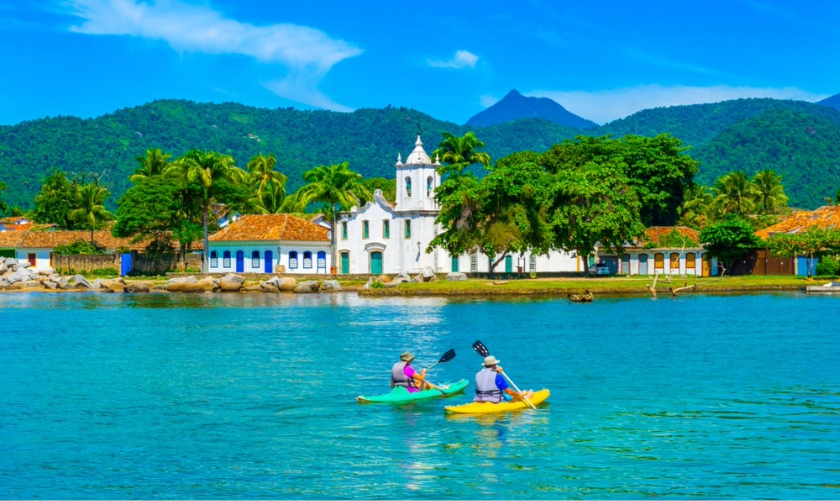
Picture: Svetlana Testova / Shutterstock.com
The Estrada Real (Royal Road) is a network of historic routes that connected the mining regions of Minas Gerais to the ports of Rio de Janeiro, making it one of the most important transportation corridors in colonial Brazil. Today, it is a major tourist route that crosses the states of Minas Gerais, São Paulo, and Rio de Janeiro. The question of where this journey should officially end—Paraty or Rio de Janeiro—is an intriguing topic that deserves a closer look.
Historical Background
To better understand this issue, it is important to consider the historical context of the Estrada Real:
Origin: The Estrada Real was established in the 17th century to transport gold and diamonds from the mines of Minas Gerais to ports on the coast.
Main routes:
- Old Route (Caminho Velho): Connected Paraty to Ouro Preto.
- New Route (Caminho Novo): Connected Rio de Janeiro to Ouro Preto.
- Diamond Route (Caminho dos Diamantes): Connected Ouro Preto to Diamantina.
- Sabarabuçu Route (Caminho de Sabarabuçu): Connected Ouro Preto to Caeté.
Historical significance: These routes played a fundamental role in Brazil’s economic development and the settlement of the country's interior during the colonial period.
Arguments for Ending in Paraty
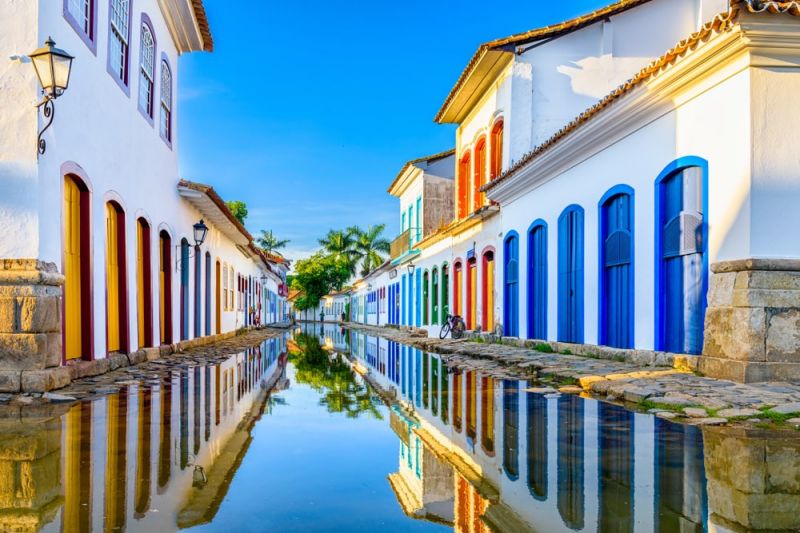
Photo: Catarina Belova / Shutterstock.com
There are several reasons to consider Paraty as the official endpoint of the Estrada Real:
- Old Route: Paraty was the endpoint of the Old Route, the oldest path of the Estrada Real.
- Historic preservation: The city has preserved its colonial architecture exceptionally well, offering a more authentic experience of the Estrada Real era.
- Connection to the sea: With its historic harbor, Paraty perfectly symbolizes the arrival at the coast after the long journey through the interior.
- Integrated tourism: The city is already a well-established tourist destination, with infrastructure designed to welcome visitors interested in the history of the Estrada Real.
- Less urban development: As a smaller city, Paraty has experienced less modern urban expansion, preserving an atmosphere much closer to that of the colonial period.
Arguments for Ending in Rio de Janeiro
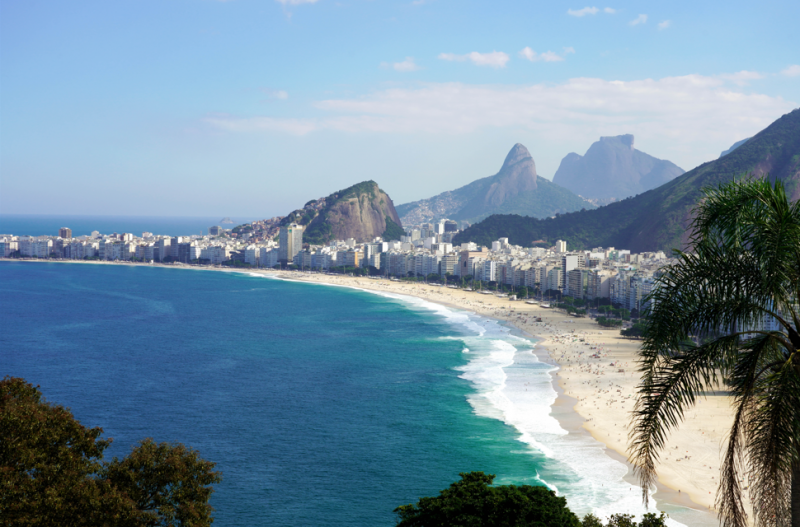
Photo: Zigres / Shutterstock.com
On the other hand, there are compelling reasons to consider Rio de Janeiro the official endpoint:
- New Route: Rio de Janeiro was the endpoint of the New Route, which became the main route of the Estrada Real during the 18th century.
- Historical importance: Rio de Janeiro served as the capital of the colony, the empire, and later the republic, giving it unparalleled historical significance.
- Main port: The Port of Rio de Janeiro became the primary shipping point for gold and diamonds bound for Portugal.
- Tourism infrastructure: Rio offers a more extensive tourism infrastructure capable of accommodating large numbers of visitors.
- Symbolism: Concluding the journey in Brazil’s former capital carries strong symbolic appeal.
Practical Considerations
When deciding where the Estrada Real should officially end, several practical factors should also be taken into account:
- Logistics: Rio de Janeiro has a major international airport, making access easier for international visitors.
- Variety of attractions: In addition to the Estrada Real, Rio offers a much broader range of tourist attractions.
- Accommodation capacity: Rio has a significantly larger selection of lodging options for every type of traveler.
- Transportation connections: The city offers better transportation links to other regions of Brazil and the rest of the world.
- Tourism marketing: The "Rio de Janeiro" brand has global recognition, which could help promote the Estrada Real internationally.
A Proposed Solution
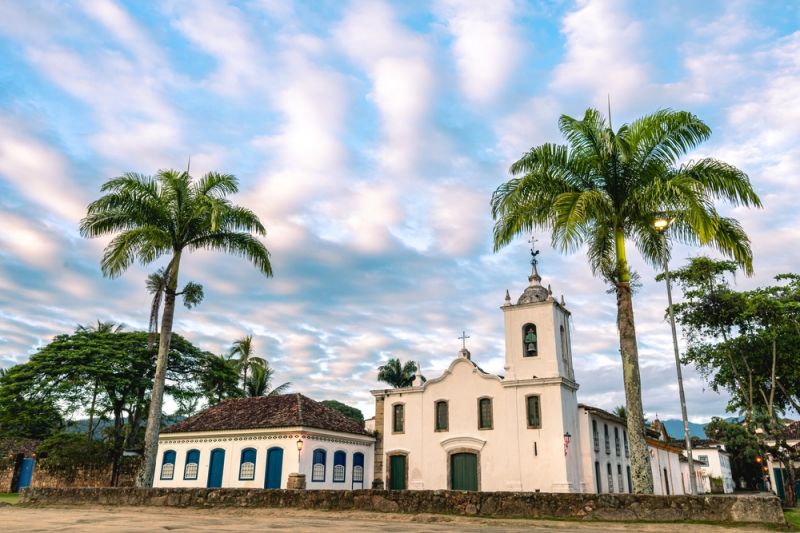
Photo: Sonny Vermeer / Shutterstock.com
A possible solution to this dilemma would be:
- Dual endpoint: Officially recognize both Paraty and Rio de Janeiro as endpoints of the Estrada Real.
- Themed itineraries: Develop specific itineraries ending in each city to appeal to different types of travelers.
- Integration: Create an integrated transportation system connecting the two cities, allowing visitors to experience both destinations.
- Historical narrative: Develop a historical narrative that highlights the importance of both cities within the context of the Estrada Real.
- Complementary events: Organize cultural and historical events in both cities to reinforce their connection to the Estrada Real.
Conclusion
Deciding whether the Estrada Real should end in Paraty or Rio de Janeiro is not a straightforward matter. It involves historical, tourism-related, and practical considerations, and both cities have strong arguments in their favor.
An inclusive approach that officially recognizes the importance of both destinations may be the best solution. Such an approach would not only respect the historical complexity of the Estrada Real but also maximize the tourism and economic potential of one of Brazil’s most important cultural routes.
Regardless of the final decision, the most important goal is to preserve and promote the rich history of the Estrada Real, ensuring that future generations can continue to appreciate and learn from this fascinating chapter of Brazilian history.
FAQ – Should the Estrada Real (Royal Road) Officially End in Paraty or Rio de Janeiro?
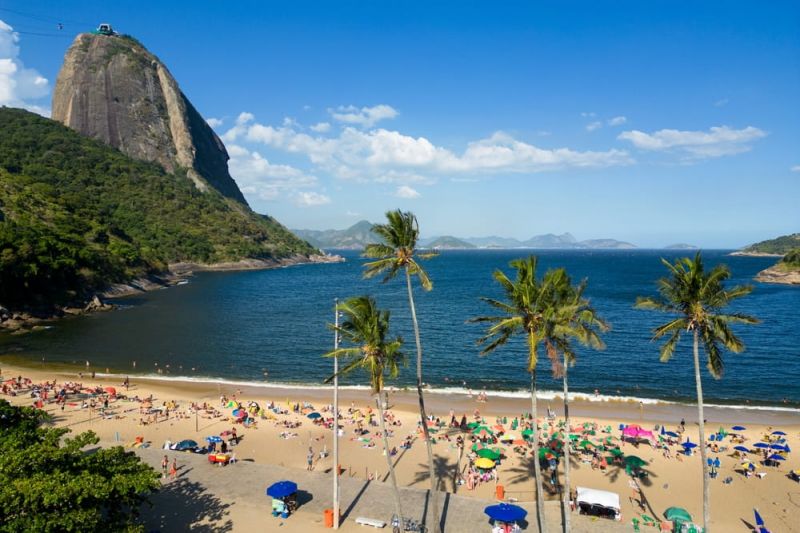
Photo: Donatas Dabravolskas / Shutterstock.com
1. What is the Estrada Real (Royal Road)?
The Estrada Real is a network of historic roads created during Brazil's colonial period to transport gold and diamonds from the mining regions of Minas Gerais to ports on the Atlantic coast. Today, it is one of Brazil's most important cultural and historical tourism routes, crossing the states of Minas Gerais, Rio de Janeiro, and São Paulo.
2. Why is there debate about where the Estrada Real ends?
The debate exists because the Estrada Real includes multiple historic routes. The Old Route (Caminho Velho) ends in Paraty, while the New Route (Caminho Novo) ends in Rio de Janeiro. Both cities played crucial roles in transporting precious metals during colonial times.
3. What are the main routes of the Estrada Real?
The Estrada Real consists of four historic routes:
- Old Route (Caminho Velho): Ouro Preto to Paraty.
- New Route (Caminho Novo): Ouro Preto to Rio de Janeiro.
- Diamond Route (Caminho dos Diamantes): Ouro Preto to Diamantina.
- Sabarabuçu Route (Caminho de Sabarabuçu): Ouro Preto to Caeté.
Each route reflects a different chapter in Brazil's colonial history.
4. Why do some people consider Paraty the official endpoint?
Paraty has several historical advantages:
- It was the original coastal destination of the Old Route.
- It preserves one of Brazil's best-preserved colonial historic centers.
- Its historic harbor represents the arrival point for goods transported from the mining region.
- The city offers an authentic colonial atmosphere closely connected to the Royal Road's origins.
5. Why do others believe Rio de Janeiro should be the endpoint?
Rio de Janeiro became increasingly important during the 18th century because:
- The New Route was faster and more efficient.
- The Port of Rio de Janeiro became the colony's primary export gateway for gold and diamonds.
- Rio later became Brazil's colonial capital, imperial capital, and national capital.
- It offers extensive tourism infrastructure and international accessibility.
6. Which route became the most important historically?
Although the Old Route came first, the New Route gradually became the principal transportation corridor because it reduced travel time and improved security for transporting valuable cargo to Portugal.
7. Is there an official answer today?
Not exactly. Both Paraty and Rio de Janeiro are historically recognized as legitimate coastal destinations of different segments of the Estrada Real, and many historians and tourism professionals acknowledge the importance of both cities.
8. Why is Paraty so significant to the Royal Road?
Paraty is significant because it:
- Was the first major export port for gold from Minas Gerais.
- Maintains exceptional colonial architecture.
- Is recognized as a UNESCO World Heritage Site for its outstanding cultural and natural heritage.
- Offers visitors an immersive historical experience.
9. Why is Rio de Janeiro historically important to the Estrada Real?
Rio de Janeiro gained prominence because:
- It replaced Paraty as the primary export port.
- It became the political and economic center of Portuguese America.
- Most of Brazil's colonial gold eventually passed through its port.
- It remains one of the country's main international tourism gateways.
10. Which destination is better for travelers interested in history?
Both offer unique experiences:
- Paraty is ideal for travelers seeking colonial architecture, preserved history, and a charming small-town atmosphere.
- Rio de Janeiro combines Royal Road history with world-famous landmarks, museums, beaches, and vibrant cultural attractions.
Many visitors choose to experience both.
11. What practical advantages does Rio de Janeiro offer?
Rio provides:
- An international airport with global connections.
- Extensive hotel options.
- Excellent transportation links.
- A wide variety of cultural, historical, and natural attractions beyond the Estrada Real.
12. What makes Paraty a unique destination?
Paraty stands out for its:
- Beautiful cobblestone streets.
- Colonial churches and mansions.
- Historic waterfront.
- Cultural festivals and gastronomy.
- Access to nearby islands and Atlantic Forest landscapes.
13. Could both cities be considered official endpoints?
Yes. Many experts support recognizing both Paraty and Rio de Janeiro as official endpoints because each represents a different historic phase of the Estrada Real.
14. How could both destinations be integrated?
An inclusive tourism strategy could include:
- Separate itineraries ending in Paraty or Rio de Janeiro.
- Combined travel experiences connecting both cities.
- Shared cultural events celebrating the Royal Road.
- Improved transportation links between the two destinations.
15. Which destination should travelers choose?
The answer depends on your interests:
- Choose Paraty for colonial history, preserved heritage, and a slower-paced experience.
- Choose Rio de Janeiro for historical significance combined with world-class attractions and convenient international access.
- If possible, include both destinations to experience the complete story of the Estrada Real.
16. Why is preserving the Estrada Real important?
The Estrada Real is one of Brazil's most significant historical and cultural assets. Preserving its routes, towns, traditions, and landmarks helps protect the country's colonial heritage while supporting sustainable tourism and local economies.
17. How can BeBrazil help you explore the Estrada Real?
BeBrazil designs customized Royal Road itineraries that combine history, culture, gastronomy, and nature. Whether your journey ends in Paraty, Rio de Janeiro, or both, BeBrazil can arrange accommodations, transportation, expert guides, and exclusive experiences for a seamless and memorable trip.